A good trip to Zermatt starts with the shape of your days. Decide what you want to be close to, how much local movement you are comfortable with and whether this is a fast city break or a slower stay. That decision should guide the hotel, not the other way around.
Smarter hotel stays in Zermatt
Use AI Hotel Finder to explore hotels in Zermatt, compare locations and review live pricing with a fast AI hotel booking workflow built for smarter trip planning.
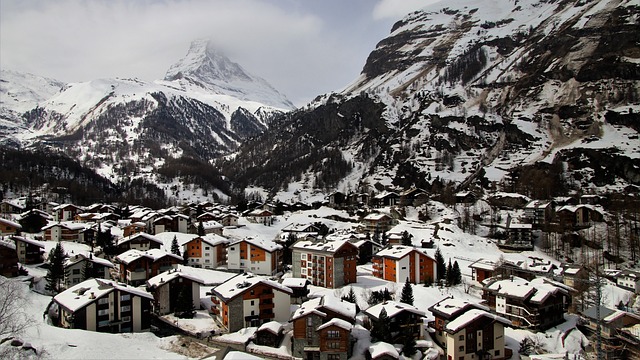 Hotels in Zermatt
Why plan a trip to Zermatt?
Zermatt works especially well for travelers interested in mountain scenery, outdoor adventure and seasonal escapes. Rather than trying to cover everything, build the visit around a few anchor experiences and leave enough time for the neighborhoods, views, meals and unplanned stops that make a destination memorable.
Build activity days around weather, daylight and realistic transfer times; leave enough room for recovery and changing conditions.
Build activity days around weather, daylight and realistic transfer times; leave enough room for recovery and changing conditions.
Choose one or two anchor experiences, then use nearby streets, neighborhoods and local stops to make the day feel less scripted.
Choose one or two anchor experiences, then use nearby streets, neighborhoods and local stops to make the day feel less scripted.
Where to stay in Zermatt
Stay close to the lift, trail, lakefront or transport hub you will use most. In mountain destinations, a cheaper room can be poor value if it creates difficult daily transfers.
- Map the hotel to your first and last activity of each day.
- Check whether airport or station access is simple at the time you will actually travel.
- Compare the total stay price, including mandatory charges and any transport costs created by the location.
- For short trips, convenience usually matters more than a long amenity list.
Getting to Zermatt and moving around
The closest airport is not always the easiest gateway. Compare rail, shuttle and rental-car options, and build extra margin for weather or mountain-road conditions.
Use the flight link above to compare current schedules and gateways rather than relying on a static route list. Once you know your arrival point, compare public transport, taxi or rideshare, shuttle and rental-car options against your exact hotel location.
How long should you stay?
A useful starting point is 4–7 days for a mountain-focused trip; longer if you plan several activity days. Arrival and departure days are often less productive than they look on paper, so count full usable days rather than hotel nights alone.
If the destination is part of a multi-city itinerary, it is usually better to do fewer places well than to lose too much time repeatedly checking out, transferring and checking in again.
When to go
The experience changes dramatically by season. Match your dates to skiing, hiking, lake activities or sightseeing rather than assuming one peak period works for every trip.
Before booking, check the current weather pattern, major events and any seasonal transport or attraction schedules. Those practical details can affect the quality of the trip more than a generic “best month” recommendation.
What is Zermatt best for?
- Ski and winter trips
- Hiking and scenic landscapes
- Wellness and mountain retreats
- Travelers combining a city gateway with nature
Practical planning before you book
- Verify current passport, visa, entry and local travel requirements where applicable.
- Keep your hotel address and essential confirmations available offline.
- Review cancellation and change conditions before payment.
- Build some schedule margin around airport transfers, weather and busy attractions.
- Use current official guidance for safety, transport disruptions and local rules.
See Zermatt and continue exploring
Start with a visual look at Zermatt, then open related ConnectedTrip destination guides or compare hotel stays directly on BusinessHotels.com.

Explore destination context on ConnectedTrip, then compare hotel options on BusinessHotels.com.

Explore destination context on ConnectedTrip, then compare hotel options on BusinessHotels.com.

Explore destination context on ConnectedTrip, then compare hotel options on BusinessHotels.com.
Destination imagery is loaded lazily from BusinessHotels.com to keep the article fast. Links open either the ConnectedTrip destination guide or hotel search.
Questions about planning Zermatt
How many days should I spend in Zermatt?
A useful starting point is 4–7 days for a mountain-focused trip; longer if you plan several activity days. Adjust the trip around your pace, arrival time and any day trips you want to include.
Where should I stay in Zermatt?
Stay close to the lift, trail, lakefront or transport hub you will use most. In mountain destinations, a cheaper room can be poor value if it creates difficult daily transfers.
What should I plan before arriving in Zermatt?
The closest airport is not always the easiest gateway. Compare rail, shuttle and rental-car options, and build extra margin for weather or mountain-road conditions.
When is a good time to visit Zermatt?
The experience changes dramatically by season. Match your dates to skiing, hiking, lake activities or sightseeing rather than assuming one peak period works for every trip.
Related destinations in Europe
Build the next part of the trip
Compare a practical hotel location above, then check current flight options for the dates that work for you.